

 PCBWay
Advanced PCB Prototyping (Controlled Impedance)
Best high-precision solution for engineers developing complex, high-performance electronic systems.

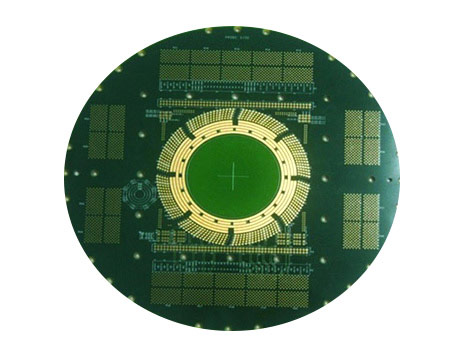
PCBWay offers advanced PCB manufacturing for high-end electronics, specializing in complex designs with up to 64 layers, HDI, and rigid-flex configurations. They utilize premium materials and advanced embedding technology for demanding applications like industrial equipment and communication systems. For simpler needs, economical Standard PCBs are available for consumer electronics. All boards are produced under strict quality controls, employing advanced processing and testing equipment to ensure reliability and performance.
Owner Satisfaction
4.7
/ 5
Category Rank
8
/ 444
#8 in Printed Circuit Boards
Advanced PCB Layers
64
/ Up to layers
Who it's for
- Engineers building high-frequency data transmission systems
- Designers requiring verified trace accuracy for critical projects
- Developers creating complex 5G or high-speed RF hardware
Who should skip it
- Budget-conscious teams working on simple, low-cost prototypes
- Developers needing rapid turnaround for urgent project deadlines
- Designers seeking flexibility in material and laminate selection
Performance breakdown
Layer Density
Support for 64 layers handles the most complex high-end circuit designs.
Impedance Precision
High-precision control ensures signal integrity for demanding communication systems.
Manufacturing Standards
Strict adherence to IPC Class 3 guarantees professional-grade reliability.
Prototyping Speed
Quick-turn delivery options keep fast-paced development cycles moving forward.
Material Quality
Premium substrates provide excellent thermal stability for industrial applications.
Design Versatility
Flexible HDI and rigid-flex configurations accommodate diverse, intricate board architectures.
Key Specs
Advanced PCB Layers
Up to 64 layers
Advanced PCB Trace/Space
Minimum 2.5/2.5mil
Standard PCB Layers
Up to 20+ layers
Standard PCB Mechanical Hole Size
Minimum 0.2mm
Certifications
UL, ISO9001, RoHS, GJB9001B
Advanced PCB Glass Transition
>140℃
Standard PCB Glass Transition
>130℃
Advanced PCB Quality Standard
Meets IPC Class 3
Features
- High-density HDI and multi-layer designs
- Complex structures with embedding technology
- High-precision impedance control
- Meets stringent IPC Class 3 standards
- Quick-turn delivery options
- Via hole plugging and plating
- Sourced from top-tier material suppliers
- Independent production line with laser drilling
What customers say
Customers overwhelmingly praise PCBWay's Advanced PCB Prototyping for its exceptional technical reliability and quality. The service consistently delivers precise impedance tolerances, ensuring boards perform exactly as simulated, which is vital for high-speed applications. Users highlight the superior build quality, noting excellent layer registration and clean finishes that minimize defects. The proactive Design for Manufacturability review process is valued for catching subtle design issues early, saving time. While costs are higher than standard options, the consensus is that the superior precision and reduced risk for critical projects provide excellent value. This service is considered the standard for advanced prototyping where accuracy is paramount.
Know before you buy
PCBWay supports advanced PCB manufacturing for up to 64 layers, allowing for highly complex electronic architectures and dense component integration.
Yes, the service is specifically engineered for high-end electronics that require strict impedance control to ensure signal integrity in demanding applications.
All advanced PCBs are manufactured to meet stringent IPC Class 3 standards, ensuring the high reliability required for industrial and communication systems.
Yes, the production lines are equipped with laser drilling and advanced via hole plugging and plating technologies to support high-density HDI and multi-layer configurations.
For advanced PCB designs, the minimum trace and space width is 2.5/2.5mil, providing the precision necessary for compact, high-performance circuitry.
Advanced PCBs feature a glass transition temperature greater than 140℃, while standard PCBs are rated for greater than 130℃, reflecting the higher thermal resilience of the premium materials used in advanced builds.

Still have a question?
Ask Hayley anything about this product before you decide.