

 AKG
AKG
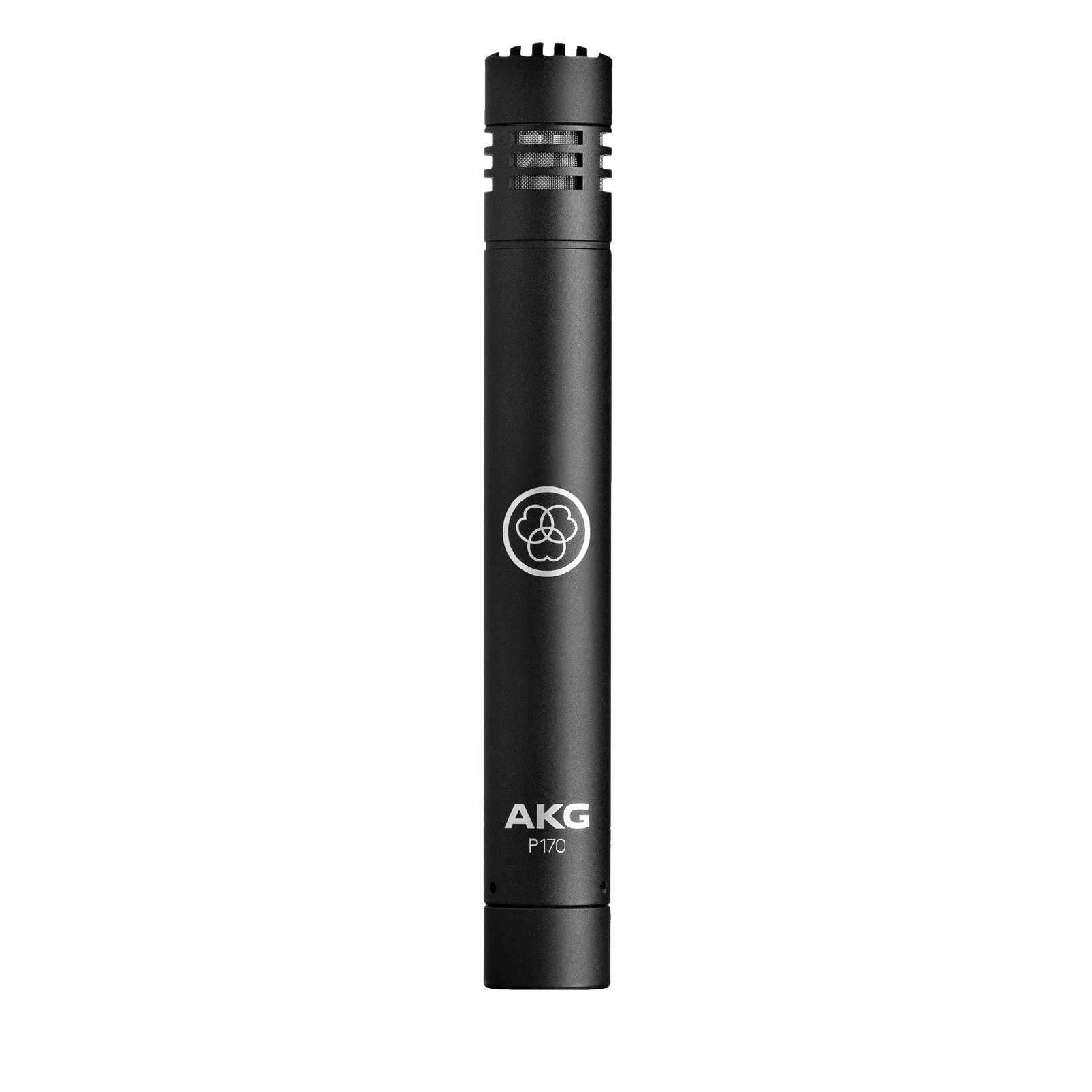
AKG P170 Small-diaphragm Condenser Microphone
Best small-diaphragm condenser for capturing crisp acoustic instruments and percussion.

Capture exceptional audio with the AKG P170 High-performance Instrument Microphone. This small-diaphragm true condenser microphone is ideal for recording overheads, percussion, acoustic guitars, and other stringed instruments with outstanding clarity and transient response. Its lightweight 1/2-inch diaphragm and durable, all-metal construction ensure roadworthy reliability. The P170 features a switchable 20dB preattenuation pad for handling loud sources, offering an affordable path to professional AKG sound quality for demanding recording environments.
$99.00
Owner Satisfaction
4.6
/ 5
Category Rank
1186
/ 3337
#1186 in Microphones
Price vs Category Average
-81%
Below average
Diaphragm Size
12
/ /-inch
Who it's for
- Acoustic musicians needing precise detail for guitars and cymbals
- Touring performers requiring gear that survives frequent travel
- Drummers and brass players recording loud, high-pressure sound sources
Who should skip it
- Podcasters or vocalists recording quiet, delicate audio sources
- Engineers seeking versatile patterns for complex stereo recording
- Producers wanting a full, rich low-end frequency response
Performance breakdown
Transient Response
Captures sharp percussive attacks with impressive speed and precision.
Build Durability
Rugged all-metal housing withstands the rigors of frequent studio setups.
High SPL Handling
The 20dB pad manages loud sources without unwanted signal distortion.
Frequency Accuracy
Delivers a balanced, natural sound profile across the entire audible spectrum.
Off-axis Rejection
Cardioid pattern effectively isolates instruments while minimizing room noise.
Versatility
A reliable workhorse for everything from acoustic guitars to drum overheads.
Key Specs
Diaphragm Size
1/2-inch
Frequency Range
20Hz - 20kHz
Electrical Impedance
<= 200 Ohms
Sensitivity
15 mV/Pa
Preattenuation Pad
-20 dB
Dimensions
Height: 160 mm, Diameter: 22 mm
Net Weight
130 g
Power Requirement
+48V phantom power
Features
- Professional small-diaphragm condenser
- Exceptional clarity and transient response
- Durable all-metal construction
- Switchable 20dB preattenuation pad
- Cardioid pattern minimizes noise
- Affordable professional recording solution
- Signature AKG sound quality
What customers say
Customers overwhelmingly celebrate the AKG P170 as a top value performer in budget small diaphragm condensers. The core praise centers on its exceptional clarity and detailed high frequency capture, making it ideal for acoustic instruments and drum overheads. Reviewers frequently note its ability to deliver crisp, professional transients that surpass expectations for the price. Build quality is consistently described as robust and durable for regular studio use. The consensus is that this microphone offers incredible fidelity, often rivaling much more expensive models. While some find its bright nature requires careful pairing, the P170 is widely regarded as an essential, high performing workhorse for project studios seeking superior acoustic recording.
Know before you buy
The P170 is designed for instruments that require fast transient response and high-frequency detail. It excels at capturing acoustic guitars, drum overheads, percussion, and other stringed instruments.
Yes, the P170 is a true condenser microphone and requires +48V phantom power from your audio interface or mixing console to operate.
The switchable pad reduces the signal level before it hits the internal electronics, allowing you to record high-volume sources like loud percussion without clipping or distorting the input.
Yes, the cardioid pattern is highly directional, meaning it captures sound primarily from the front while rejecting noise and ambient sound from the sides and rear, which helps keep your recordings clean.
While it is primarily engineered for instruments, it can be used for vocals if you prefer a bright, detailed sound. However, keep in mind that small-diaphragm condensers are generally more sensitive to plosives, so a pop filter is highly recommended.

Still have a question?
Ask Hayley anything about this product before you decide.