

 High Country Gardens
Iron Butterfly Ironweed
Best low-maintenance native shrub for pollinator-friendly, deer-resistant garden landscapes.

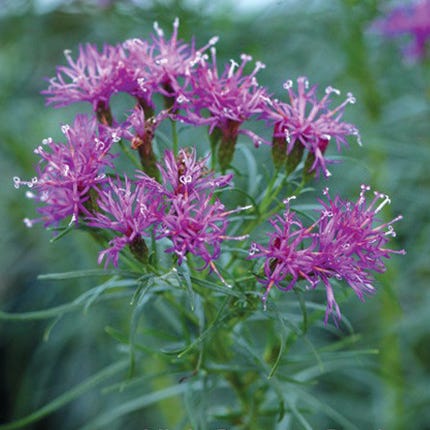
The Iron Butterfly Ironweed is a striking native perennial celebrated for its finely textured, bright green foliage that adds unique texture to any garden. This cultivar boasts a densely branched habit, creating a shrub-like appearance. In late summer and early fall, it transforms with vibrant violet-purple blooms, acting as a magnet for butterflies and bees. It's a resilient choice, offering drought resistance once established and standing up to deer and rabbits. This plant provides year-round interest, making it ideal for mass plantings and rock gardens.
$17.99
Owner Satisfaction
4.6
/ 5
Category Rank
864
/ 3268
#864 in Landscaping & Garden Plants
Price vs Category Average
-35%
Below average
Mature Height
2436
/ - inches
Who it's for
- Xeriscaping enthusiasts seeking low-maintenance, drought-tolerant plants
- Garden designers looking for sophisticated, fine-textured foliage
- Pollinator advocates supporting late-season butterfly populations
Who should skip it
- Designers curating gardens with soft pastel color palettes
- Gardeners managing heavy clay or poorly draining soil
- Impatient gardeners wanting immediate, full-sized landscape impact
Performance breakdown
Pollinator Impact
A high-performance magnet for local butterflies and essential bee populations.
Drought Resilience
Thrives with minimal intervention once the root system is fully established.
Pest Resistance
Reliably stands up to browsing deer and rabbits in most landscapes.
Visual Texture
Finely branched foliage provides a sophisticated contrast to broader garden leaves.
Maintenance Effort
Requires very little upkeep to maintain its dense, mounding structural form.
Environmental Adaptability
Versatile enough to handle clay soils and varying light conditions effectively.
Key Specs
Mature Height
24-36 inches
Mature Spread
18-24 inches
USDA Hardiness Zones
4-9
Light Requirement
Full Sun to Partial Shade
Soil Type Compatibility
Clay, Low Fertility Soil, Well-Drained Soil
Water Tolerance
Low-Water (Waterwise)
Ships As
Potted Plant (5" Deep Pot)
Life Cycle
Perennial
Features
- Attracts butterflies and bees
- Unique, finely textured foliage
- Drought resistant once established
- Deer and rabbit resistant
- Provides four-season interest
- Densely branched for structure
- Native plant
- Low maintenance
What customers say
The Iron Butterfly Ironweed is consistently praised for its exceptional quality and reliability. Customers report plants arrive healthy and establish quickly. Its standout feature is dependable late season blooming, offering vital color and attracting many pollinators, particularly butterflies. Gardeners value its hardiness and low maintenance, confirming it is a worthwhile addition that provides significant aesthetic impact annually. This plant is celebrated for its consistent vigor and strong garden presence, making it a reliable choice for lasting beauty.
Know before you buy
Since the Iron Butterfly Ironweed has a mature spread of 18 to 24 inches, you should space them about 20 to 24 inches apart on center to allow for proper airflow and growth.
Yes, this cultivar is well-suited for clay soils. It is a resilient native plant that adapts well to various soil types, provided the area is not prone to standing water.
While no plant is completely immune to hungry wildlife, this variety is highly resistant to deer and rabbits. Its texture and chemical composition typically make it a low-priority target for local pests.
Once established, it is quite drought-tolerant and requires minimal supplemental watering. During the first growing season, however, you should provide regular water to help the root system settle in.
This refers to the plant's changing appearance throughout the year: it offers lush green foliage in spring and summer, vibrant violet-purple blooms in late summer, and a sturdy, mounding structure that persists into the colder months.
Absolutely. Its mounding, shrub-like habit and drought tolerance make it an excellent candidate for rock gardens. It can also thrive in containers, provided the pot has adequate drainage.

Still have a question?
Ask Hayley anything about this product before you decide.