

 High Country Gardens
Butterfly Weed (Clay Form)
Best native perennial for gardeners managing heavy clay soil and pollinators.

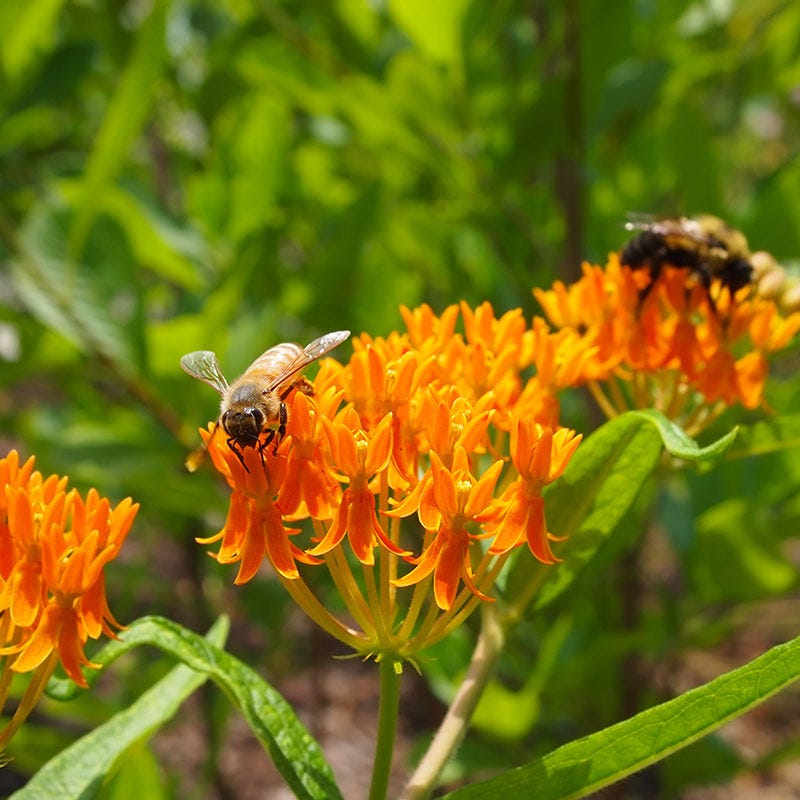
The Butterfly Weed (Clay Form) is a standout perennial wildflower, honored as the Perennial Plant Association Plant of The Year in 2017. Its vibrant orange blooms are a magnet for butterflies and hummingbirds. Uniquely adapted for heavier clay soils, it develops a robust taproot for exceptional drought tolerance once established. While slow to emerge, this native plant rewards patience with stunning summer color and serves as a vital food source for Monarch caterpillars. Growing to about 15-18 inches tall and wide, it offers a low-maintenance, long-lived addition to the garden.
$9.99
Owner Satisfaction
4.7
/ 5
Category Rank
29
/ 2999
#29 in Landscaping & Garden Plants
Price vs Category Average
-64%
Below average
Mature Height
1518
/ - inches
Who it's for
- Gardeners struggling with heavy, compacted clay soil
- Conservationists dedicated to supporting Monarch butterfly populations
- Low-maintenance landscapers in hot, arid climates
Who should skip it
- Impatient gardeners seeking immediate, full-sized results
- Planners who frequently rearrange their garden layouts
- Designers requiring year-round visual interest in early spring
Performance breakdown
Clay Adaptability
Engineered specifically to thrive where most perennials struggle in heavy soil.
Pollinator Impact
A vital ecological anchor for Monarchs and diverse local butterfly populations.
Drought Resilience
Deep taproot system ensures survival through intense summer heat once established.
Maintenance Effort
Requires minimal intervention once the plant settles into its permanent home.
Pest Resistance
Naturally deters deer and rabbits, protecting your garden from unwanted grazing.
Establishment Speed
Slow initial growth demands patience before the first major seasonal display.
Key Specs
Mature Height
15-18 inches
Mature Spread
15-18 inches
USDA Hardiness Zones
4-9
Plant Type
Flower
Soil Types
Clay, Loam, Sandy, Gravelly
Water Requirement
Moderate
Sun Exposure
Full Sun, Partial Sun
Plant Life Cycle
Perennial
Features
- Thrives in clay soils
- Essential Monarch caterpillar food source
- Attracts butterflies and hummingbirds
- Rabbit and deer resistant
- Drought tolerant once established
- Low maintenance required
- Provides winter interest
- Long-lived perennial
What customers say
Customers consistently praise the exceptional reliability of this Butterfly Weed, noting its successful establishment even in difficult clay soils. Reviewers frequently highlight the superior quality of the plants upon arrival; they are described as robust and healthy, leading to quick growth and strong flowering. The primary satisfaction driver is the plant's hardiness and its proven ability to attract essential pollinators, delivering significant ecological value and making it a worthwhile investment for challenging garden environments.
Know before you buy
Yes, this specific form of Butterfly Weed is uniquely adapted to thrive in heavy clay soils. It develops a deep, robust taproot that allows it to establish well in dense earth where other perennials might struggle.
Butterfly Weed is notoriously slow to emerge in the spring, often waiting until the soil has warmed significantly. Do not be alarmed if it seems dormant while other plants are already growing; simply mark the spot so you don't accidentally disturb it.
Absolutely. It serves as a critical host plant for Monarch caterpillars, providing the specific nutrition they need to develop. Its vibrant orange flowers also act as a nectar source for adult butterflies and hummingbirds.
It is a very low-maintenance plant. Once established, it is highly drought-tolerant and requires minimal intervention, though it does benefit from being left standing through the winter to provide seasonal interest.
No, this plant is naturally resistant to both deer and rabbits. It is an excellent choice for gardeners dealing with heavy browsing pressure from local wildlife.
Because this plant develops a deep taproot, it is best suited for in-ground planting rather than containers. The taproot requires significant depth to support the plant's long-term health and drought tolerance.

Still have a question?
Ask Hayley anything about this product before you decide.
Ready to buy?
$10