

 High Country Gardens
Texas Redbud (Cercis canadensis var. texensis)
Best drought-tolerant flowering tree for wildlife-friendly, low-maintenance home gardens.

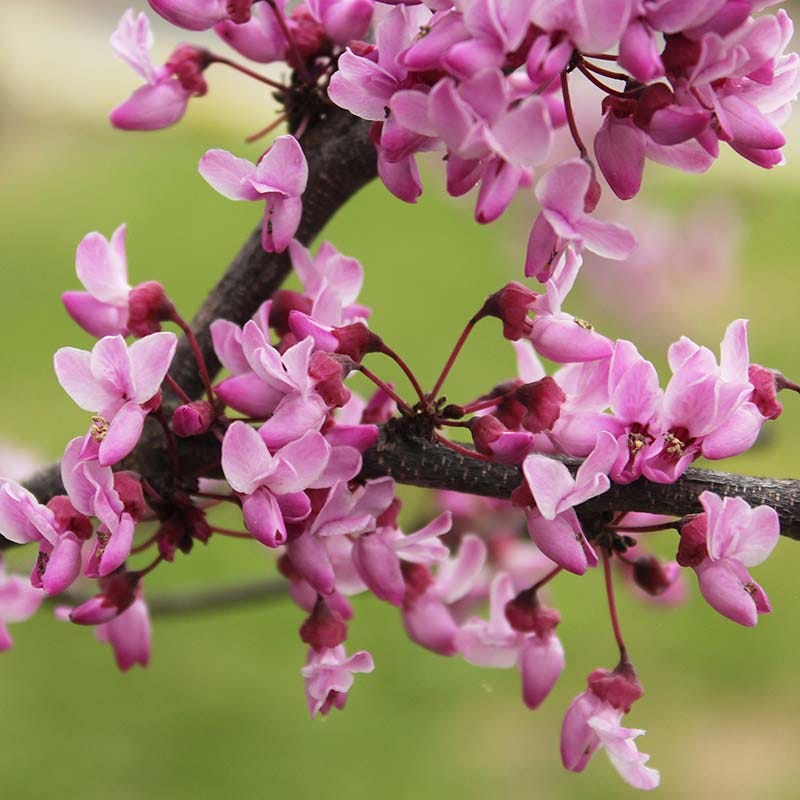
The Texas Redbud is a native flowering tree celebrated for its compact, shrubbier form and exceptional drought tolerance. In early spring, it bursts forth with stunning wine-red blooms on bare branches, drawing in vital pollinators like butterflies, hummingbirds, and bees. Its seed pods offer a valuable food source for songbirds, making it an ideal choice for low-water, wildlife-friendly gardens. This adaptable tree thrives in limestone or clay loam soils and prefers 4-6 hours of daily sunlight.
$17.99
Owner Satisfaction
4.7
/ 5
Category Rank
7
/ 1134
#7 in Trees
Price vs Category Average
-83%
Below average
Ships As
5
/ Potted Plant (" Deep Pot)
Who it's for
- Urban homeowners with limited space for large trees
- Gardeners in arid climates seeking water-wise landscape solutions
- Pollinator advocates wanting vibrant early-season garden color
Who should skip it
- Owners with heavy, poorly draining, or moisture-retentive soil
- Landscapers looking for long-term, multi-generational tree investments
- Gardeners who prefer flexible, low-maintenance planting locations
Performance breakdown
Drought Resilience
Thrives in arid conditions with minimal supplemental irrigation required.
Pollinator Impact
A high-traffic magnet for butterflies, hummingbirds, and essential native bees.
Soil Adaptability
Handles challenging limestone and heavy clay soils with impressive ease.
Visual Appeal
Striking wine-red spring blooms provide a dramatic seasonal focal point.
Wildlife Support
Seed pods offer a reliable food source for local songbird populations.
Landscape Versatility
Compact, shrubby form fits perfectly into smaller, modern garden footprints.
Key Specs
Ships As
Potted Plant (5" Deep Pot)
Mature Height
12-18 feet
Mature Spread
15-20 feet
USDA Hardiness Zones
6-9
Soil Type
Limestone or clay loam soils
Sunlight Requirement
4-6 hours of direct sunlight daily
Life Cycle
Perennial
Watering Needs
Low
Features
- Produces showy wine-red blooms in early spring
- Attracts bees, butterflies, and hummingbirds
- Provides food for songbirds
- Drought tolerant and low-water needs
- Adaptable to various soil types
- Native to North America
- Neonicotinoid Free
What customers say
Customers consistently highlight the exceptional quality of the Texas Redbud upon arrival, noting the plants are healthy and robustly packaged. The primary sentiment revolves around the reliability of the stock; buyers report high success rates in establishment, even in challenging climates. This variety is valued for its hardiness and beautiful, dependable spring blooms, confirming its reputation as a worthwhile investment for drought tolerant landscaping.
Know before you buy
At maturity, the Texas Redbud reaches a height of 12-18 feet with a spread of 15-20 feet. You should plant it in an area that allows for this bushy, wide growth habit to ensure it has enough room to thrive.
The Texas Redbud is hardy in USDA zones 6-9. As long as your garden falls within these zones, the tree is well-suited to handle the local climate conditions.
No, it does not require full sun. This tree performs best with 4-6 hours of direct sunlight daily, making it a great choice for areas that receive partial shade.
Yes, it is highly adaptable and thrives in both limestone and clay loam soils. Ensure the planting site is well-drained to keep the root system healthy.
The Texas Redbud is notably drought-tolerant. Once it is established in your landscape, it requires very little supplemental watering, making it an excellent candidate for low-water gardens.
Yes, it is an excellent choice for wildlife-friendly gardens. The early spring blooms attract bees, butterflies, and hummingbirds, while the seed pods provide a reliable food source for songbirds.

Still have a question?
Ask Hayley anything about this product before you decide.
Ready to buy?
$18