

Pink Pearl Apple
Best choice for dedicated gardeners seeking unique, homegrown culinary fruit.

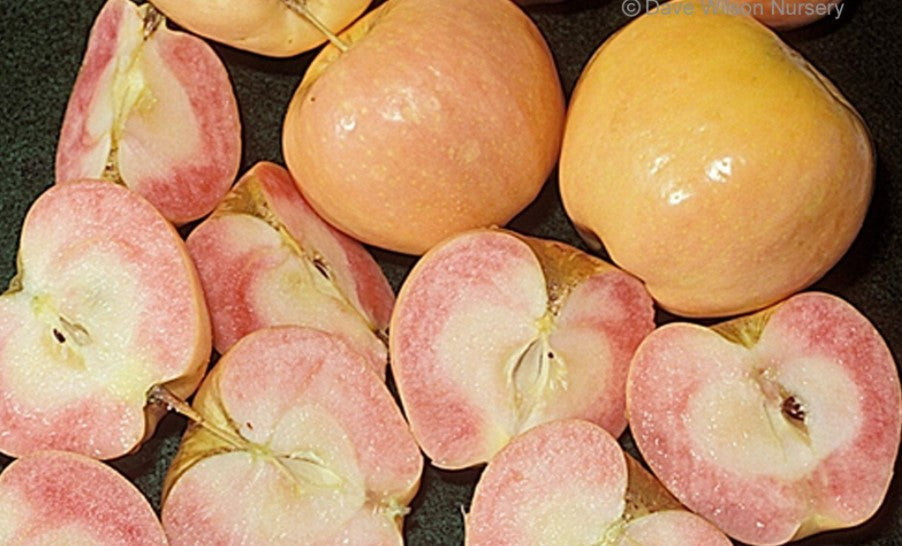
The Pink Pearl Apple is a distinctive deciduous tree, noted for its unusual fruit. It features a yellow-tan skin contrasting with crisp, pink flesh that offers an acidic yet slightly sweet flavor. This variety requires a second pollinator to set fruit and is considered high maintenance. It blooms with white flowers in mid-spring and produces its edible fruit in early to mid-fall. Mature specimens reach about 15 feet tall and wide, thriving best in full sun and requiring well-drained soil. Due to its short storage life, this apple is best used shortly after harvest in fresh eating, cooking, or baking applications.
$59.99
Owner Satisfaction
4.6
/ 5
Category Rank
313
/ 1220
#313 in Trees
Price vs Category Average
-44%
Below average
Mature Height
15
/ feet
Who it's for
- Home cooks wanting to elevate their culinary presentations
- Flavor seekers who prefer crisp, tart fruit profiles
- Impatient gardeners eager for an early summer harvest
Who should skip it
- Busy households needing long-lasting pantry staples
- Novice gardeners living in warmer climate zones
- Shoppers prioritizing vibrant, eye-catching produce displays
Performance breakdown
Visual Appeal
Striking pink flesh creates a stunning visual impact for culinary presentations.
Culinary Versatility
Excellent for fresh eating, baking, and adding color to dishes.
Maintenance Demand
Requires diligent pruning and specific pollination partners for successful fruit production.
Urban Adaptability
Highly resilient against city pollution, making it ideal for residential landscapes.
Storage Longevity
Short shelf life necessitates immediate consumption or processing after the harvest.
Ornamental Value
Beautiful spring blossoms and vibrant fall foliage provide year-round garden interest.
Key Specs
Mature Height
15 feet
Mature Width
15 feet
Light Needs
Full Sun
Bloom Time
Mid Spring
Harvest Season
Early to Mid Fall
Growth Rate
Medium
Hardiness Zone
5a
Pruning Time
Late Winter Pruning
Features
- Produces unusual apples with pink flesh and a crisp texture.
- Features showy clusters of lightly-scented white flowers in mid-spring.
- Foliage turns yellow in the fall.
- Fruit can be messy if allowed to drop.
- Requires a second pollinator of the same species to set fruit.
- Highly tolerant of urban pollution.
- Suitable for use as an accent, shade, or orchard tree.
What customers say
Consumers are consistently delighted by the exceptional quality and unique aesthetic of the Pink Pearl Apple. The striking rosy pink flesh and tart sweet flavor are the primary drivers of positive feedback, often exceeding expectations for a novelty apple. Reviewers frequently highlight the tree's strong performance and reliable yield once established, suggesting high value for money despite the initial investment. This variety is celebrated not just as a fruit producer but as a garden centerpiece, offering both beauty and delicious, distinctive fruit.
Know before you buy
Yes, the Pink Pearl Apple is not self-fertile and requires a second apple tree of a different variety nearby to cross-pollinate. Without a compatible pollinator, the tree will bloom but will not set fruit.
Because the fruit can be messy if left to rot on the ground, it is important to harvest the apples promptly once they ripen in early to mid-fall. Regular maintenance and picking up any fallen fruit will prevent debris and attract fewer pests.
These apples have a short storage life, so they are best enjoyed shortly after harvest. Their unique pink flesh and balanced sweet-tart flavor make them excellent for fresh eating, or for adding a striking visual element to pies, tarts, and other baked goods.
At 15 feet tall and wide, it is a manageable size for many residential landscapes. It is also notably tolerant of urban pollution, making it a practical choice for city environments where other fruit trees might struggle.
You should prune your tree in late winter while it is still dormant. This timing allows you to shape the tree and remove any dead or crossing branches before the spring growth cycle begins.

Still have a question?
Ask Hayley anything about this product before you decide.
Ready to buy?
$60