

 ACR Electronics
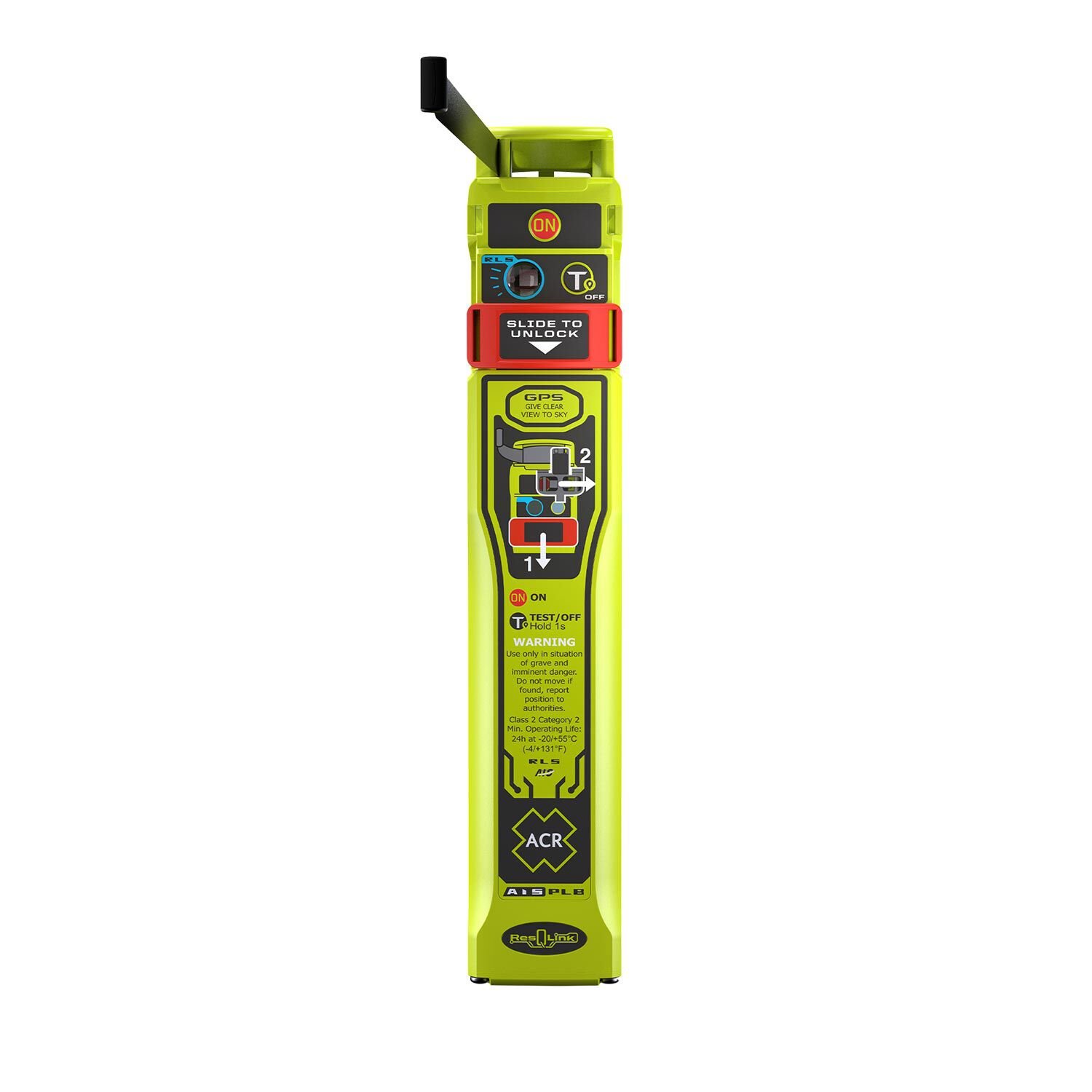
ACR ResQLink PLB450 GPS PLB with AIS & RLS
Best emergency beacon for offshore sailors and remote adventure seekers.

The ACR ResQLink PLB450 is a compact, high-tech Personal Locator Beacon designed for reliable worldwide emergency notification. It is the first PLB to integrate AIS (Automatic Identification System) for instant local vessel alerts, alongside NFC for easy smartphone diagnostics. Utilizing the Cospas Sarsat satellite system with multi-constellation GNSS (GPS, Galileo, Glonass), it ensures accurate positioning and transmission of a 406 MHz distress signal. The beacon also features a 121.5 MHz homing signal, visible and infrared strobes for visual location, and RLS functionality to confirm distress message receipt via the Galileo network. Activation is manual or semi-automatic via lifejacket inflation.
$619.95
Owner Satisfaction
4.7
/ 5
Category Rank
1
/ 259
Best GPS Tracking Devices
Price vs Category Average
+244%
Above average
Satellite Transmission
4065.
/ MHz (W Typ)
Who it's for
- Marine explorers operating in harsh, unpredictable environments
- Offshore sailors needing maximum visibility for rapid rescue
- Solo adventurers seeking peace of mind through signal confirmation
Who should skip it
- Budget-conscious boaters prioritizing basic emergency signaling
- Users preferring low-maintenance gear without administrative requirements
- Minimalists requiring compact, lightweight emergency equipment
Performance breakdown
Signal Reliability
Multi-constellation GNSS ensures rapid, accurate positioning in the most remote locations.
Alert Versatility
Integrated AIS and RLS provide both local and global distress confirmation.
Diagnostic Accessibility
NFC smartphone integration makes battery and status checks incredibly simple.
Deployment Efficiency
Compact design allows for seamless integration into standard life jackets.
Visual Signaling
Dual infrared and visible strobes maximize visibility for search and rescue.
Build Durability
Rugged, waterproof construction stands up to harsh marine environments.
Key Specs
Satellite Transmission
406 MHz (5W Typ.)
AIS Transmission
161.975/162.025 MHz (1W)
Homing Transmission
121.5 MHz (25-100mW PEP)
Positioning
Multi-constellation receiver (GPS, Galileo, & Glonass GNSS)
Weight
190 g (0.42 lbs)
Battery Life
Over 24 hours operational life
Waterproof Rating
10m (1.0 bar) for 1 hour
Features
- Smartphone diagnostics via NFC to check battery and test history.
- Reliable global coverage through the Cospas Sarsat satellite system.
- Designed for simple installation within a life jacket for semi-automatic deployment.
What customers say
Customers overwhelmingly trust the ACR ResQLink PLB450 for its critical reliability in emergency situations. The inclusion of advanced features like AIS and RLS provides significant peace of mind, elevating it beyond standard personal locator beacons. Users appreciate the compact design and straightforward activation process, noting that the device feels robust and well built. While the price point is higher, consumers view this as a necessary investment in safety, confirming its status as a top tier marine and outdoor essential.
Know before you buy
By integrating AIS, the PLB transmits a distress signal directly to nearby vessels equipped with AIS receivers. This allows local boats to see your exact location on their navigation screens, potentially speeding up rescue times before official search and rescue teams arrive.
Return Link Service (RLS) provides a visual confirmation on the device that your distress signal has been successfully received by the Galileo satellite network. It offers peace of mind by letting you know that your alert is being processed.
You can check the battery life and test history by using the NFC feature on your smartphone. Simply tap your phone against the beacon to view diagnostics through the ACR app, making it easy to ensure your device is ready for use.
Yes, the PLB450 is designed to be compact enough for installation within a life jacket. It supports semi-automatic deployment, meaning it can be configured to activate when the life jacket inflates.
The device uses multi-constellation GNSS (GPS, Galileo, and Glonass) to acquire a position, but it requires a clear view of the sky to transmit effectively. While it is highly accurate, you should ensure the antenna has an unobstructed path to the sky during activation.
The 406 MHz signal is the primary distress transmission sent to global satellite systems to alert search and rescue authorities. The 121.5 MHz signal is a secondary homing frequency used by rescue teams to pinpoint your exact location once they are in the immediate vicinity.

Still have a question?
Ask Hayley anything about this product before you decide.
Ready to buy?
$620