

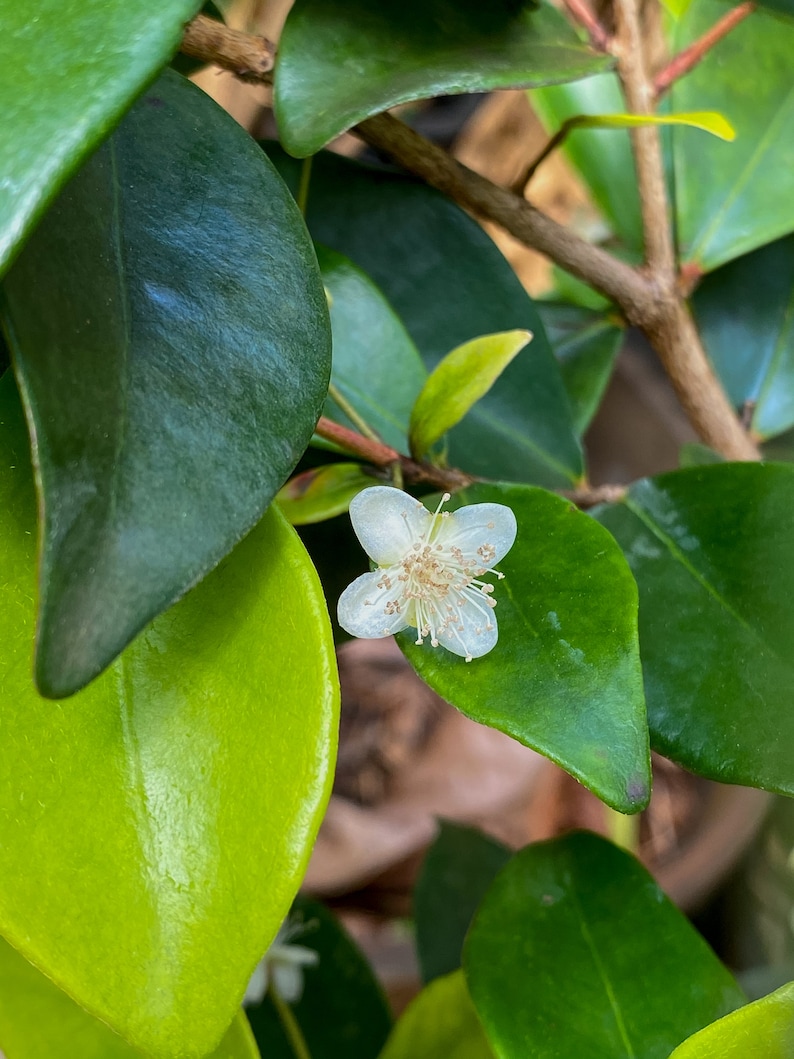
Cedar Bay Cherry Beach Eugenia Reinwardtiana Red Fruit Tropical Tree Plant
Best tropical fruit tree for home gardeners in warm climates.

Discover the Cedar Bay Cherry, also known as Beach Cherry or Eugenia reinwardtiana, a tropical shrub to small tree native to northern Queensland, Indonesia, and the Pacific Islands. This evergreen plant is cultivated for its sweetish, edible red fruit, perfect for eating fresh, flavoring drinks, or making preserves. It thrives in full sun to partial shade, especially when young, and typically fruits within 2-3 years. While it prefers warmer climates, it can be grown in USDA Zone 9. Handle with care during shipping and acclimatize gradually to its new environment, protecting it from extreme temperatures and direct sun when young.
Owner Satisfaction
4.5
/ 5
Category Rank
504
/ 1209
#504 in Trees
Height
612.24
/ - ft (- m)
Who it's for
- Gardeners seeking a striking, colorful focal point for their landscape
- Home cooks interested in experimenting with unique, sweet-tart tropical flavors
- Nature lovers looking to invite birds and wildlife into their yard
Who should skip it
- Gardeners living in regions with cold winters or frost
- Urban dwellers with limited patio or small garden space
- Impatient growers wanting immediate, high-volume fruit harvests
Performance breakdown
Culinary Versatility
Edible fruit excels in fresh snacks, preserves, and beverage infusions.
Climate Adaptability
Thrives in tropical zones but requires careful protection in cooler climates.
Growth Velocity
Reaches fruiting maturity in a relatively short two to three years.
Ornamental Appeal
Lush evergreen foliage provides year-round structure and aesthetic garden value.
Shipping Resilience
Requires careful handling and gradual acclimatization upon arrival to ensure survival.
Maintenance Ease
Straightforward care routine once established in the correct sun exposure.
Key Specs
Height
6-12 ft. (2-4 m)
Hardiness
USDA Zone 9
Sun Exposure
Full Sun - Partial shade, especially when young.
Bloom Color
White.
Bloom Time
Spring/Summer.
Foliage
Evergreen.
Time To Fruit
2-3 years
Native to tropical forests in northern Queensland, Indonesia and the Pacific Islands.
Features
- Produces edible sweetish fruit
- Fruit can be eaten out-of-hand, used to flavor drinks and candies, or as a preserve
- Evergreen foliage
- Blooms in Spring/Summer
- Suitable for USDA Zone 9
- Grown in Florida
- Shipped via USPS First Class or Priority mail
What customers say
Customers consistently express high satisfaction with the quality of the Cedar Bay Cherry Beach Eugenia Reinwardtiana plant. Many highlight the excellent condition and robust health of the plant upon arrival, often noting careful packaging that ensures safe transit. The vibrant appearance and healthy root systems frequently exceed expectations, contributing to a strong sense of value for money. Buyers appreciate receiving a thriving specimen ready for planting, making this a reliable choice for tropical tree enthusiasts.
Know before you buy
You can typically expect your plant to begin fruiting within 2 to 3 years of planting, provided it receives proper care and adequate sunlight.
While it can reach 6 to 12 feet in the ground, it is well-suited for container gardening. Keeping it in a pot is an excellent way to manage its size and move it to protected areas if you live in a region that experiences occasional cold snaps.
This plant thrives in full sun to partial shade. If the plant is young, it is best to provide partial shade to prevent leaf scorch while it establishes its root system.
Yes, it is suitable for Zone 9, but it is a tropical species that prefers warmth. If you are at the lower end of the temperature range for Zone 9, be prepared to provide frost protection during the winter months.
Unpack your plant carefully and place it in a sheltered spot with indirect light for a few days to help it recover from shipping. Gradually introduce it to its permanent location, increasing sun exposure over the course of a week to prevent transplant shock.
The fruit has a sweet, mild flavor that is pleasant to eat fresh directly from the tree. Because of their unique profile, they are also highly versatile for flavoring beverages, candies, or cooking down into preserves.

Still have a question?
Ask Hayley anything about this product before you decide.