


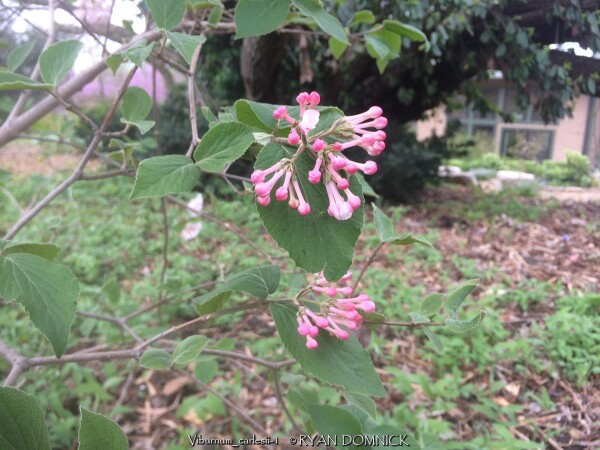
Viburnum carlesii
Best healthy plants for gardeners seeking reliable garden additions.

This deciduous shrub is celebrated for its intensely fragrant flowers that bloom in early to mid-spring, filling the air with a delightful aroma. It offers multi-season interest, with dark green foliage that transitions to stunning shades of red and reddish-purple in the fall. This low-maintenance plant thrives in part sun to shade and prefers average to rich soil. It produces attractive purplish-black and red berries after flowering, making it a wonderful addition to wildlife gardens, attracting birds, butterflies, and bees.
$55.00
Owner Satisfaction
4.5
/ 5
Category Rank
1924
/ 3365
#1924 in Bushes & Shrubs
Price vs Category Average
+31%
Above average
Plant Min Zone
4
/ a
Who it's for
- Gardeners seeking a highly fragrant, early-blooming shrub for their landscape.
- Homeowners desiring a shrub that offers beauty across multiple seasons.
- Busy gardeners or beginners looking for a resilient, low-effort plant.
Who should skip it
- Gardeners in areas prone to viburnum leaf beetle infestations.
- Impatient gardeners wanting rapid landscape establishment.
- Gardeners in USDA Zones outside of 4-8.
Performance breakdown
Fragrance Intensity
Spring blooms deliver a powerful, sweet aroma that defines the garden.
Seasonal Versatility
Provides consistent visual interest from spring flowers to vibrant autumn foliage.
Maintenance Ease
Low-effort shrub that thrives with minimal pruning and basic care.
Wildlife Attraction
Berries and blooms create a reliable magnet for local pollinators.
Environmental Adaptability
Handles diverse soil types well but requires protection from late frosts.
Longevity
An enduring landscape investment with a lifespan exceeding two decades.
Key Specs
Plant Min Zone
4a
Plant Max Zone
7a
Sunlight
Part Sun, Shade
Water / Rainfall
Average
Soil Quality
Average, Rich
Bloom Season
Early Spring, Spring
Flower Color
White, Light Pink
Berry / Fruit Color
Purplish Black, Red
Know before you buy
This shrub performs best in part sun to shade conditions. East or north-facing exposures are ideal, as they provide the gentle light this plant prefers without the intensity of harsh afternoon sun.
You should prune your Viburnum immediately after it finishes blooming in late spring or early summer. Because it blooms on old wood, pruning later in the season will remove next year's flower buds.
The Viburnum carlesii is hardy in zones 4a through 7a. It is well-suited for colder regions, though it can be susceptible to late spring frosts which may occasionally impact the bloom cycle.
It is considered a low-maintenance plant. Once established, it requires only average water and minimal pruning to maintain its shape, making it an excellent choice for gardeners looking for reliable, long-term interest.
Yes, it offers multiple seasons of interest. You will enjoy fragrant spring flowers, lush dark green summer foliage, vibrant red and purple fall colors, and decorative purplish-black berries that attract local wildlife.
Yes, this variety is quite adaptable and has a good tolerance for both clay and rocky soil types. It prefers average to rich soil, so amending your planting site with organic matter can help it establish more quickly.

Still have a question?
Ask Hayley anything about this product before you decide.
Ready to buy?
$55