

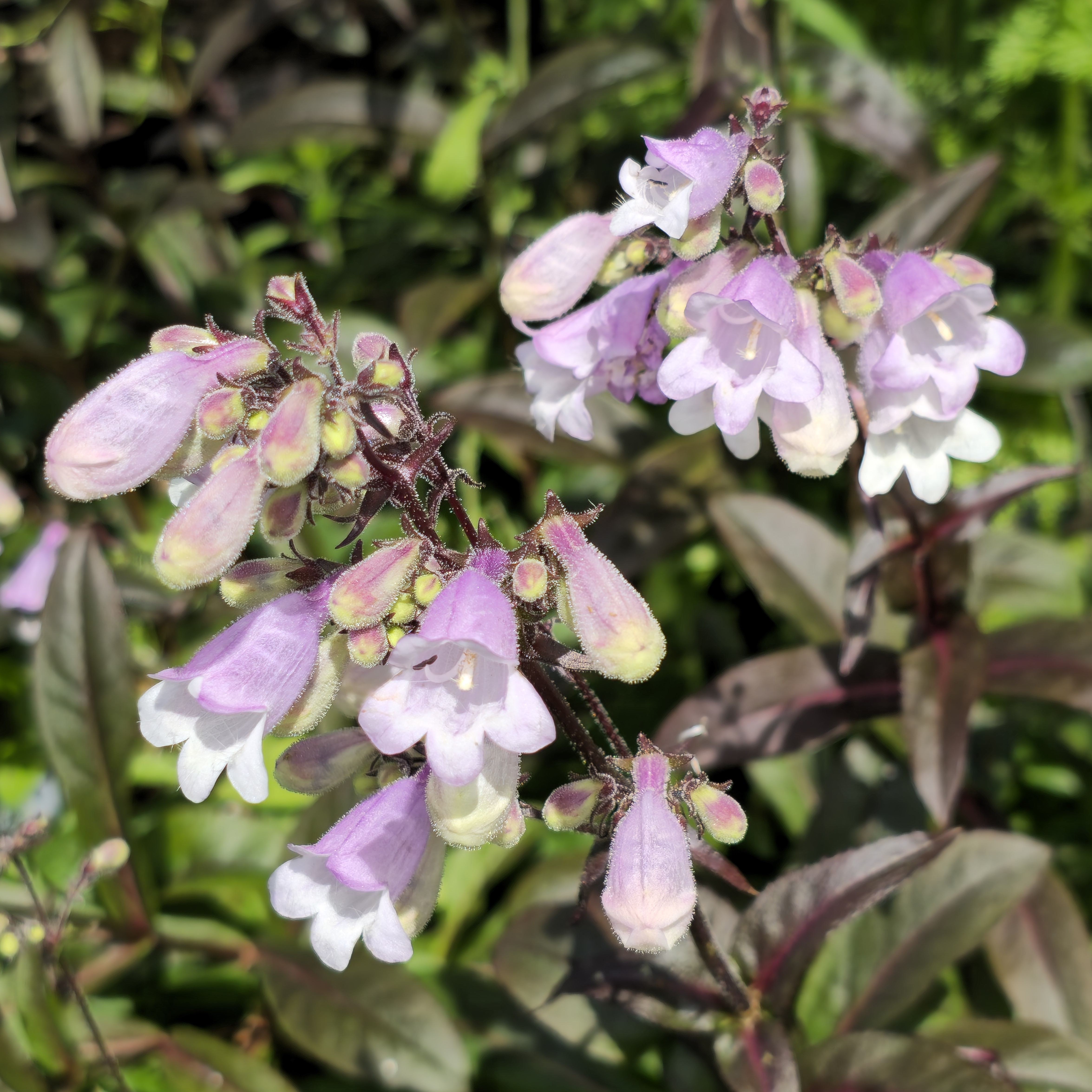
Blackbeard Penstemon
Best vibrant perennial for low maintenance garden enthusiasts.

The Blackbeard Penstemon, also known as Beardtongue, is a striking perennial that offers a unique combination of dark foliage and vibrant flowers. Its nearly black foliage provides a dramatic contrast to the spikes of sweet purple to lilac blooms that appear in mid to late spring. This hybrid selection is known for its compact habit and abundant flowering, making it a standout in gardens and landscapes. It thrives in full to mostly sunny locations with well-drained, average moist soil, and its intensely colored leaves are sure to add wonderful contrast. The flowers are a magnet for native bees, butterflies, and hummingbirds, and the seeds can attract songbirds.
$14.99
Owner Satisfaction
4.5
/ 5
Category Rank
2378
/ 4677
#2378 in Landscaping & Garden Plants
Price vs Category Average
-46%
Below average
Mature Size
24361624
/ -''H x -''W
Who it's for
- Gardeners seeking high-impact plants for visual interest and contrast
- Eco-conscious gardeners wanting to attract beneficial wildlife to their yards
- Busy homeowners desiring beautiful, hardy plants without constant attention
Who should skip it
- Gardeners with clay soil or areas prone to poor drainage
- Individuals with shady gardens or limited access to direct sunlight
- Gardeners expecting continuous floral displays from their perennial selections
Performance breakdown
Visual Contrast
Dark foliage creates a dramatic backdrop for vibrant purple floral spikes.
Pollinator Appeal
High-nectar blooms reliably attract bees, butterflies, and hummingbirds to the garden.
Hardiness Range
Robust perennial performance across a wide variety of USDA climate zones.
Growth Habit
Compact, tidy structure fits perfectly in containers or small landscape beds.
Maintenance Ease
Simple deadheading keeps the plant tidy and prevents unwanted self-seeding.
Soil Adaptability
Thrives in standard well-drained soil with minimal specialized amendment requirements.
Key Specs
Mature Size
24-36''H x 16-24''W
USDA Cold Hardiness Zones
3,4,5,6,7,8
Outdoor Light
Full sun, Mostly sunny
pH Range
Acidic, Mildly Acidic
Soil & Moisture
Average moist, well-drained soils.
Flowering Period
Mid to late spring.
Fertilizing
Late winter or early spring until about midsummer.
Pruning
Deadhead when flowering is complete if you are concerned about it producing unwanted seedlings.
Features
- Striking dark foliage provides excellent contrast
- Sweetly contrasting purple to lilac flowers
- Attracts native bees, butterflies, and hummingbirds
- Compact habit and abundant flowering
- Suitable for containers
- Native plant selection
What customers say
Customers consistently praise the exceptional quality of the Blackbeard Penstemon, noting plants arrive healthy, robust, and well packaged. Many highlight the plant's remarkable vigor and ease of establishment, thriving quickly in various garden settings. Its reliable performance, producing abundant, striking dark purple blooms, makes it a highly valued addition. Gardeners appreciate its resilience and consistent beauty, confirming a positive experience from unboxing to full bloom. This plant offers dependable growth and stunning visual appeal.
Know before you buy
This plant performs best in full sun to mostly sunny locations. Providing at least six hours of direct sunlight daily will ensure the best foliage color and the most abundant flower production.
Yes, its compact habit makes it an excellent candidate for containers. Ensure your pot has good drainage and use a high-quality potting mix to prevent the roots from sitting in overly wet soil.
It is not overly fussy but requires well-drained soil to prevent root rot. It prefers a slightly acidic to acidic pH range and performs best in average, moderately moist garden soil.
While not strictly necessary for the plant's health, you should deadhead the spent flower spikes once blooming concludes in late spring. This keeps the plant tidy and prevents it from self-seeding in areas where you may not want it to spread.
Absolutely. The purple to lilac blooms are highly attractive to native bees, butterflies, and hummingbirds. Additionally, the seeds produced later in the season can help attract songbirds to your landscape.
Yes, this variety is quite cold-hardy and is suitable for USDA zones 3 through 8. It can withstand a wide range of temperatures, making it a versatile choice for many different regions.

Still have a question?
Ask Hayley anything about this product before you decide.
Ready to buy?
$15