

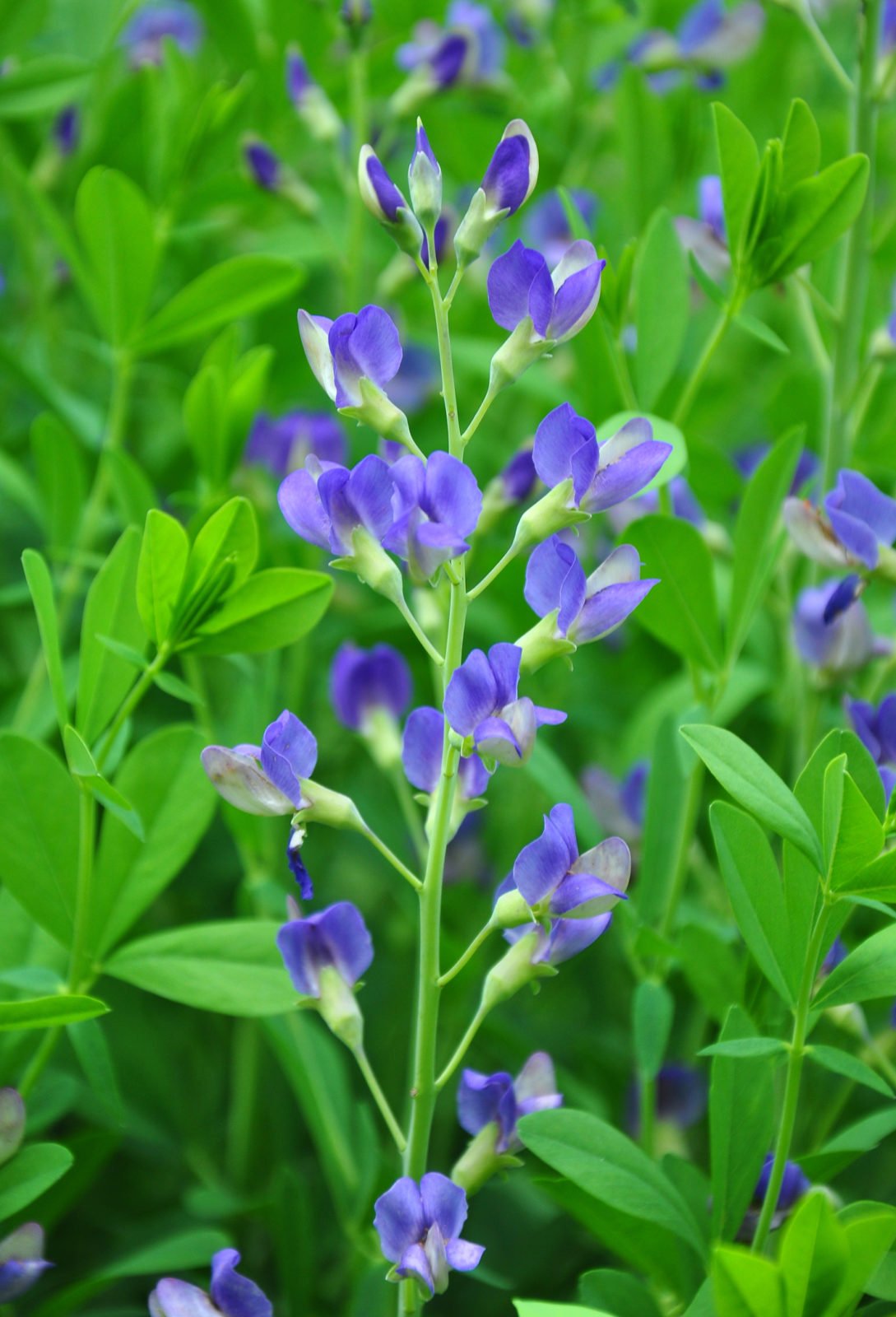
Blue False Indigo
Best resilient perennial for native garden enthusiasts.

Blue False Indigo (_Baptisia australis_) is an upright perennial in the pea family, often found in rich woods and along streambanks. Its striking blue flowers are a favorite among pollinators, and it serves as a crucial host plant for various butterfly species, including the Clouded Sulphur. After blooming, it produces ornamental seed pods that were historically used as rattles by children and are also suitable for dried flower arrangements. Early colonists utilized this plant as a substitute for indigo in dye production. It thrives in cottage gardens, meadows, and native plant settings, and is particularly effective as a naturalized specimen or in groupings. This plant offers a unique, beneficial, and low-maintenance addition to any garden.
$12.99
Owner Satisfaction
4.5
/ 5
Category Rank
2378
/ 4677
#2378 in Landscaping & Garden Plants
Price vs Category Average
-53%
Below average
Mature Height
34
/ to feet
Who it's for
- Gardeners seeking a durable, low-effort plant for long-term beauty.
- Eco-conscious gardeners wanting to support local wildlife and improve soil.
- Homeowners desiring a distinctive, long-blooming plant with year-round appeal.
Who should skip it
- Impatient gardeners expecting immediate, dramatic results from new plantings.
- Gardeners with small plots or limited space for expansive perennials.
- Planners who frequently rearrange their garden layouts or move plants.
Performance breakdown
Pollinator Appeal
A top-tier magnet for native bees and essential butterfly species.
Maintenance Requirements
Once established, this hardy perennial thrives with minimal human intervention.
Drought Tolerance
Highly resilient in dry conditions once the root system takes hold.
Ornamental Versatility
Seed pods offer unique texture for dried arrangements and seasonal interest.
Environmental Adaptability
Versatile enough to handle diverse soil types and varying light conditions.
Landscape Impact
Striking blue blooms provide a bold, architectural presence in garden beds.
Key Specs
Mature Height
3 to 4 feet
Bloom Time
May, June
Bloom Color
Blue
Soil Moisture
Dry, Medium
Soil Type
Average, well-drained; Tolerates wide range including dry rocky or sandy soils.
Hardiness Zone
3-9
Light Requirements
Part shade, Part Sun, Full sun
Container Size
Quart
Features
- Attracts pollinators and butterflies
- Ornamental seed pods for arrangements
- Historical use as a dye substitute
- Low maintenance garden plant
- Drought tolerant once established
What customers say
Customers consistently praise the exceptional health and vigor of the Blue False Indigo plants upon arrival. Many reviewers highlight the careful packaging that ensures plants reach their destination in excellent condition, ready for planting. The ease of establishment and subsequent robust growth are frequently noted, making this a reliable choice for gardeners seeking a resilient native perennial. Its ability to thrive and add beauty to various garden settings without extensive care contributes significantly to high satisfaction.
Know before you buy
Since Blue False Indigo reaches a mature height of 3 to 4 feet and has a bushy, upright habit, you should space them about 3 feet apart to allow for proper airflow and growth.
Yes, it is very hardy. Once established, it is drought-tolerant and thrives in a variety of soil conditions, including rocky or sandy ground, requiring very little supplemental care.
While it can tolerate part shade, it performs best and produces the most blooms when planted in full sun to part sun. If you plant it in deep shade, you may notice fewer flowers and a less sturdy, upright structure.
Absolutely. The ornamental seed pods that appear after the blooming season are excellent for dried flower arrangements and add a unique, structural element to indoor displays.
It is quite adaptable and grows well in average, well-drained soil. It is particularly well-suited for sites that are dry or sandy, making it a versatile choice for many garden settings.
Yes, it is a magnet for pollinators like bees and serves as a vital host plant for butterfly species, including the Clouded Sulphur. It is an excellent choice if you are looking to support local biodiversity.

Still have a question?
Ask Hayley anything about this product before you decide.
Ready to buy?
$13