


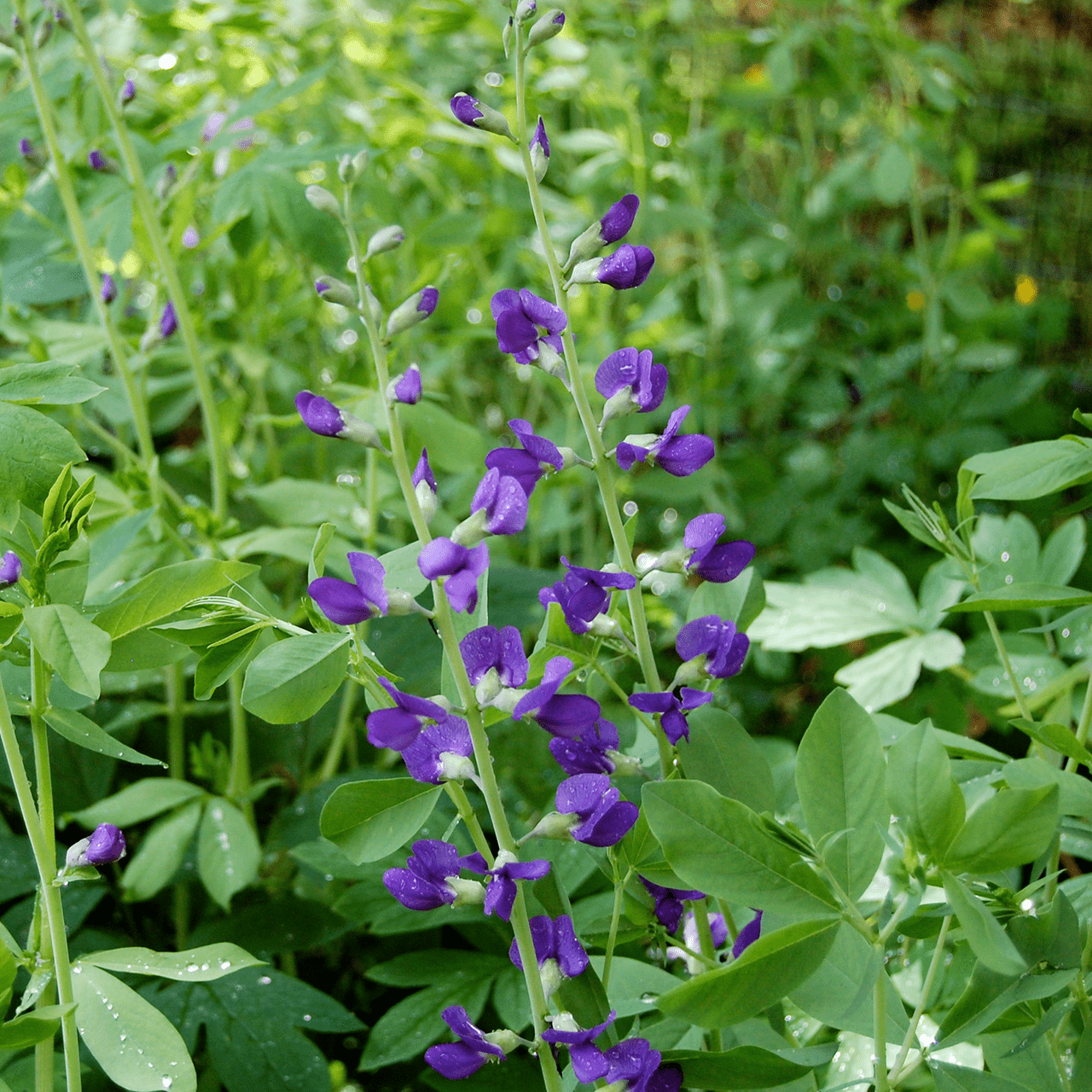
Blue False Indigo
Best resilient perennial for vibrant, low maintenance garden displays.

The native Blue False Indigo (Baptisia australis) is a long-lived perennial that was historically used in early American gardens as a source of blue dye. It produces deep indigo blue, pea-like flowers in spring above attractive blue-green foliage. This hardy plant thrives in moist but well-drained soil, preferring part shade to full sun. Once established, it is drought tolerant and attracts butterflies, making it a valuable addition to borders or wild gardens. The showy seed pods are also useful for dried arrangements.
$12.00
Owner Satisfaction
4.5
/ 5
Category Rank
2348
/ 4592
#2348 in Landscaping & Garden Plants
Price vs Category Average
-57%
Below average
Habit
34
/ Grows to ' feet high
Who it's for
- Gardeners seeking a beautiful, low-maintenance, long-lived plant.
- Homeowners desiring a striking plant that supports local ecosystems.
- Enthusiasts looking for a durable, cold-hardy, and long-lasting garden addition.
Who should skip it
- Impatient gardeners expecting immediate, dramatic garden results.
- Urban dwellers with limited garden space or small yards.
- Gardeners who frequently rearrange their established plant layouts.
Performance breakdown
Pollinator Appeal
Highly effective at drawing butterflies and essential garden pollinators.
Climate Resilience
Exceptional cold hardiness makes it reliable for northern garden zones.
Maintenance Requirements
Low-effort perennial that thrives once it establishes a root system.
Visual Impact
Striking indigo blooms provide significant seasonal color for garden borders.
Drought Tolerance
Handles dry spells well after the initial establishment period.
Versatility
Useful for both landscape aesthetics and dried floral arrangements.
Key Specs
Habit
Grows 3 to 4' feet high
Culture
Prefers part shade to full sun and moist but well-drained, moderately rich soil
Hardiness
Cold hardy to USDA Zone 3
Origin
North America
Attributes
Drought tolerant, Attracts butterflies
Know before you buy
This perennial typically reaches a height of 3 to 4 feet. Because of its size, it works best as a mid-to-back border plant where it has enough room to spread.
Yes, once the root system is well-established, it is quite drought tolerant. However, you should provide regular water during its first growing season to help it settle in.
Absolutely. It is a hardy perennial that can withstand temperatures down to USDA Zone 3, making it a reliable choice for many northern gardens.
It performs best in full sun to part shade. While it can handle partial shade, you will generally see the most prolific flowering when it receives at least six hours of direct sunlight.
Yes, the showy, dark seed pods that appear after flowering are excellent for dried floral arrangements. Simply harvest them once they have matured and dried on the stem.
It is a fantastic choice for supporting local ecosystems. The pea-like flowers are highly attractive to butterflies and various native pollinators throughout the spring.

Still have a question?
Ask Hayley anything about this product before you decide.