

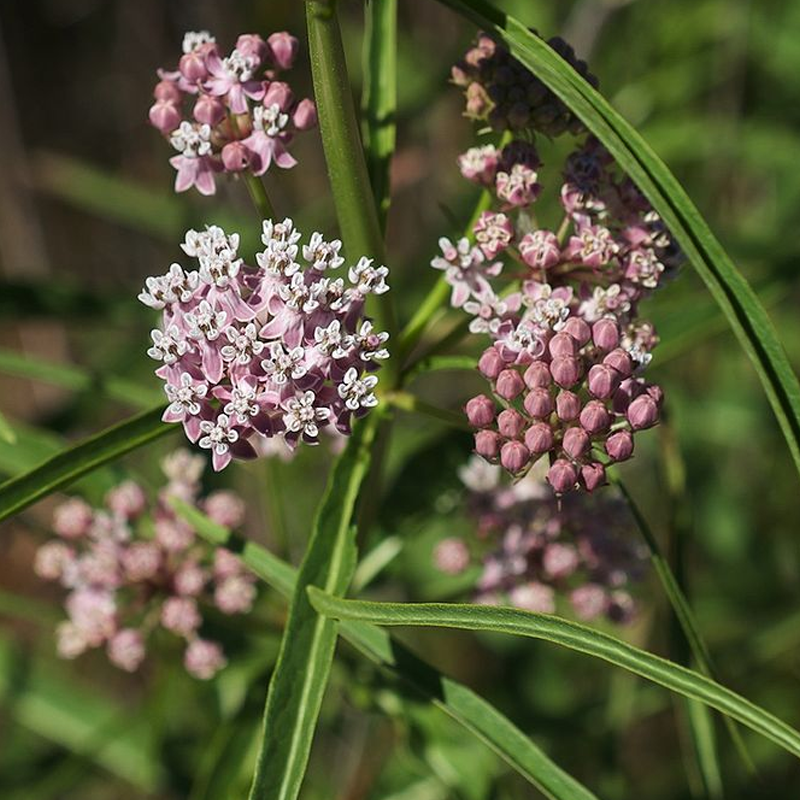
Narrowleaf Milkweed
Best low-maintenance perennial for gardeners supporting local Monarch butterfly populations.

Introduce the Narrowleaf Milkweed (Asclepias fascicularis), a charming western native perennial that brings understated elegance to any garden. Its soft, needle-like foliage and delicate clusters of pale lavender to white flowers bloom from early summer through fall. This plant is a vital host for Monarch butterflies and also attracts bees and hummingbirds. Thriving in full sun and dry conditions, it's remarkably drought and deer resistant, making it ideal for low-maintenance landscapes. It forms modest colonies, fitting beautifully into naturalistic settings and pollinator habitats.
$29.99
Owner Satisfaction
4.5
/ 5
Category Rank
1787
/ 3268
#1787 in Landscaping & Garden Plants
Price vs Category Average
+9%
Above average
USDA Hardiness Zones
610
/ -
Who it's for
- Conservationists supporting Monarch butterfly populations
- Gardeners seeking low-maintenance, water-wise landscaping
- Pollinator enthusiasts looking to boost local biodiversity
Who should skip it
- Owners of small, strictly contained garden beds
- Pet owners or farmers with grazing livestock
- Designers prioritizing formal, manicured aesthetic appeal
Performance breakdown
Pollinator Impact
An essential host plant that serves as a critical Monarch nursery.
Drought Tolerance
Thrives in arid conditions with minimal supplemental water once established.
Maintenance Effort
A low-intervention perennial that requires very little pruning or care.
Deer Resistance
Reliably deters browsing deer, protecting your garden from unwanted grazing.
Landscape Versatility
Ideal for naturalistic meadows but requires careful placement for formal borders.
Bloom Longevity
Provides consistent color and nectar from early summer through late fall.
Key Specs
USDA Hardiness Zones
6 - 10
Light Exposure
Full Sun (At Least 6 Hours Of Direct Sunlight)
Mature Height
2 - 3 Feet
Mature Spread
1 Foot
Spacing
24 to 36 inches apart
Habit
Upright
Flower Color(s)
Pink, Purple, White
Bloom Period
Summer to Fall
Features
- Essential Monarch butterfly host plant
- Drought and deer resistant
- Attracts pollinators and hummingbirds
- Blooms summer through fall
- Low maintenance perennial
- Forms modest colonies
- Fragrant flowers
What customers say
Gardeners highly value this Narrowleaf Milkweed for its essential role as a Monarch host plant. Reviews consistently praise the Proven Selections brand for supplying healthy, robust starter plants that establish well with proper initial attention. A key satisfaction driver is the plant's proven resilience and excellent drought tolerance once established, thriving in sunny Western conditions. The primary focus remains on the successful attraction of Monarch butterflies, leading to strong recommendations among native plant advocates. While some users note slow initial growth requiring patience, the overall sentiment reflects deep appreciation for this high quality, ecologically vital product that reliably fulfills its intended purpose.
Know before you buy
This perennial thrives in USDA Hardiness Zones 6 through 10. It is a western native that prefers full sun and dry conditions, making it well-suited for regions with hot, dry summers.
For optimal growth and air circulation, space your Narrowleaf Milkweed plants 24 to 36 inches apart. This allows the plant to reach its mature spread of about one foot while accommodating its tendency to form modest colonies.
No, it is remarkably drought-tolerant. Once established, it requires very little supplemental watering, making it an excellent choice for low-maintenance or water-wise landscapes.
Yes, Narrowleaf Milkweed is an essential host plant for Monarch butterflies. By planting it, you provide a necessary habitat for their larvae while also attracting adult butterflies, bees, and hummingbirds with its fragrant flowers.
Yes, this variety is known for being deer resistant. While no plant is entirely deer-proof, the foliage and characteristics of this milkweed are generally unappealing to deer.
You can expect blooms from early summer through the fall. This extended flowering period provides a consistent food source for pollinators throughout the warmer months.

Still have a question?
Ask Hayley anything about this product before you decide.
Ready to buy?
$30