

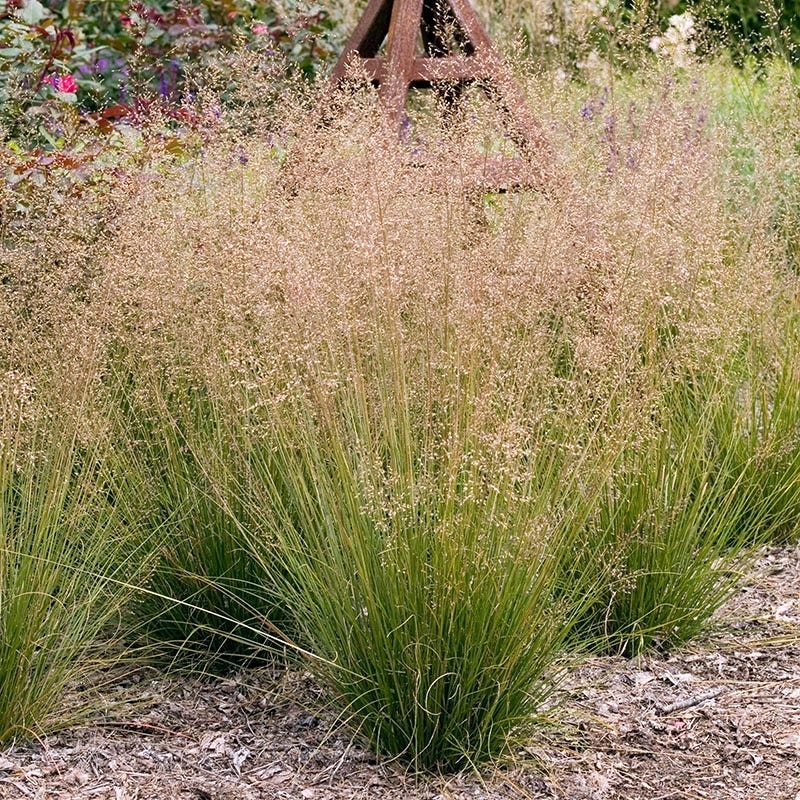
Prairie Dropseed Grass
Best low-maintenance native grass for drought-tolerant, bird-friendly landscapes.

Prairie Dropseed Grass is a stunning perennial ornamental grass that brings texture and movement to any garden. Its dense tufts of glossy green, arching foliage transform into a beautiful golden orange in autumn. Delicate, fragrant seed heads, reminiscent of coriander, emerge in summer and persist through fall, offering a food source for songbirds. This deer-resistant native grass is ideal for mass plantings or groundcover, thriving in full sun and tolerating various soil types, including clay, and hot, dry conditions. It provides year-round visual interest.
$14.92
Owner Satisfaction
4.5
/ 5
Category Rank
1692
/ 3066
#1692 in Landscaping & Garden Plants
Price vs Category Average
-46%
Below average
Mature Height
2436
/ - inches tall
Who it's for
- Water-conscious gardeners in arid or rocky climates
- Landscapers seeking sensory appeal and seasonal color
- Conservationists prioritizing native habitat and soil stability
Who should skip it
- Impatient gardeners wanting immediate landscape maturity
- Homeowners with shaded yards or limited sunlight
- Low-maintenance enthusiasts avoiding seasonal garden chores
Performance breakdown
Environmental Adaptability
Thrives across diverse climates and soil conditions with minimal intervention.
Wildlife Support
Provides essential nourishment and habitat for local songbird populations.
Seasonal Aesthetics
Delivers consistent visual interest from summer fragrance through golden winter dormancy.
Maintenance Requirements
Low-effort perennial that resists deer and establishes easily in full sun.
Landscape Versatility
Perfect for mass plantings or as a textured, architectural garden accent.
Establishment Success
Potted delivery ensures a robust root system for reliable garden integration.
Key Specs
Mature Height
24-36 inches tall
Mature Spread
24-36 inches wide
Growing Zones
3-9
Soil Type
Clay Soil, Well-Drained Soil, Loamy Soil, Sandy Soil
Sun Exposure Requirement
Full Sun
Native To
North America
Ships As
Potted Plant
Plant Life Cycle
Perennial
Features
- Attracts songbirds with its seed heads
- Foliage turns golden orange in autumn
- Seed heads possess a coriander-like fragrance
- Deer-resistant native grass variety
- Adds movement and texture to landscapes
- Tolerates hot and dry planting sites
- Provides excellent winter interest
- Forms dense, attractive tufts
What customers say
Customers highly value the Prairie Dropseed Grass for its resilience and low maintenance once established. The core positive theme centers on its exceptional drought tolerance and the fine textured beauty it offers, especially the golden fall color. Reviewers confirm its suitability for challenging, dry, sunny sites, making it a reliable choice for sustainable landscaping. A key consideration noted is the need for patience, as initial growth and germination are slow. Those who wait are rewarded with stunning, virtually maintenance free mature stands. Shipping and plant health are consistently praised, reinforcing the quality of the native stock provided.
Know before you buy
Since Prairie Dropseed reaches a mature spread of 24 to 36 inches, you should space them at least 24 to 30 inches apart if you want the tufts to eventually touch and create a continuous, flowing groundcover.
Yes, Prairie Dropseed is highly adaptable and performs well in various soil types, including clay. Ensure the planting site is not prone to standing water, as the plant prefers well-drained conditions.
Prairie Dropseed provides excellent winter interest, so you should leave the foliage standing through the cold months. It is best to cut the dried foliage back to a few inches above the ground in late winter or early spring before new growth begins.
Yes, this native grass is considered deer-resistant. While no plant is entirely immune to hungry wildlife, deer typically avoid Prairie Dropseed due to its texture and growth habit.
This plant requires full sun, which means at least six to eight hours of direct sunlight per day. It will not perform well or maintain its dense, arching shape in shaded areas.
Beyond their aesthetic appeal, the seed heads are notable for a distinct, pleasant fragrance often compared to coriander. They also serve a functional purpose by providing a reliable food source for songbirds throughout the late summer and fall.

Still have a question?
Ask Hayley anything about this product before you decide.
Ready to buy?
$15