

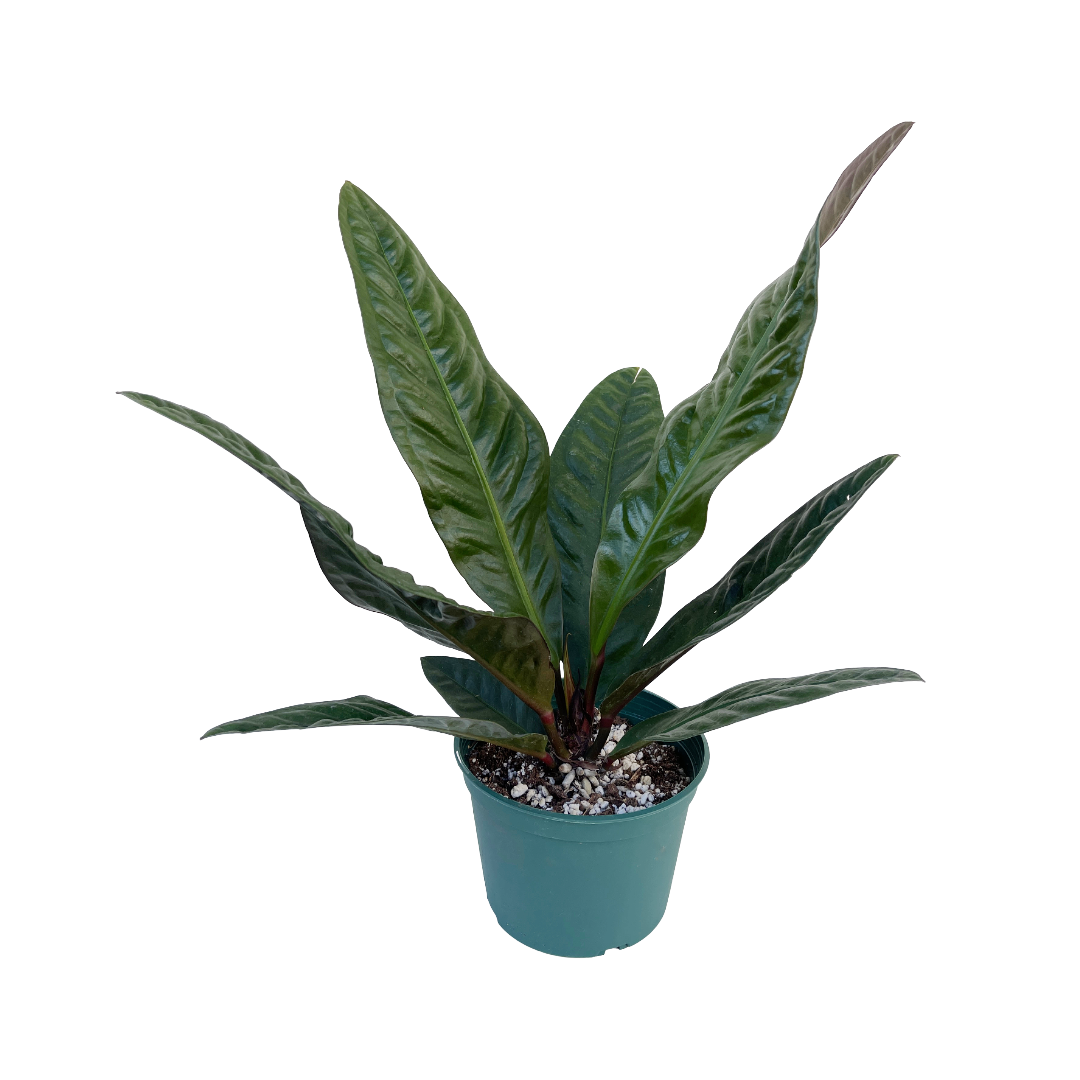
Anthurium superbum
Best statement piece for experienced indoor gardeners with pet-free homes.

Discover the Anthurium superbum, also known as the Bird's Nest Anthurium, a captivating tropical plant native to Ecuador. Its striking, lush foliage brings a touch of the rainforest to your home. This plant thrives in bright, indirect light and prefers consistently moist, well-draining soil. It requires high humidity and is ideal for indoor cultivation, but it is not frost-tolerant. Please note, this plant is toxic to pets if ingested. With intermediate care, it offers dramatic beauty for your indoor jungle.
$30.00
More Anthurium Options

Owner Satisfaction
4.7
/ 5
Category Rank
141
/ 9235
#141 in Potted Houseplants
Price vs Category Average
-42%
Below average
Scientific Name
Anthurium superbum
/ Anthurium superbum
Who it's for
- Busy plant owners wanting durable, low-maintenance foliage
- Interior designers seeking bold, sculptural botanical statements
- Serious collectors building a prestigious, rare plant portfolio
Who should skip it
- Impatient hobbyists preferring rapid, visible growth results
- Budget-conscious buyers looking for affordable starter plants
- Casual gardeners lacking specialized humidity-controlled setups
Performance breakdown
Visual Impact
The unique, textured foliage creates a dramatic focal point for interiors.
Care Difficulty
Intermediate maintenance requirements demand consistent attention to humidity and soil moisture.
Indoor Adaptability
Thrives in controlled environments but requires specific light and humidity conditions.
Pet Safety
Contains calcium oxalate crystals, posing significant risks to curious household pets.
Growth Potential
Responds well to regular feeding and routine repotting for sustained development.
Environmental Sensitivity
Strict temperature and humidity needs limit placement options within the home.
Key Specs
Scientific Name
Anthurium superbum
Common Names
Bird's Nest Anthurium
Native Region
Ecuador and other parts of Central and South America
Light Requirements
Bright, indirect light
Watering Needs
Keep soil consistently moist but not waterlogged
Soil Preference
Well-draining potting mix rich in organic matter (orchid bark, peat moss, perlite)
Hardiness Zone
USDA zones 10-11 (indoor cultivation or container plant)
Temperature Range
65-80°F (18-27°C)
Features
- Striking Bird's Nest Foliage
- Thrives in Bright, Indirect Light
- Prefers Consistently Moist Soil
- Requires High Humidity
- Ideal for Indoor Cultivation
- Native to Tropical Rainforests
- Intermediate Care Level
- Toxic to Pets
What customers say
Buyers consistently praise the Anthurium superbum for its exceptional quality and robust health upon delivery. The deeply ribbed, striking foliage is frequently noted as a major aesthetic highlight, establishing it as a premium centerpiece. Customers appreciate Diameter Plants' meticulous packaging, which ensures the delicate leaves arrive perfectly intact. Although the initial price reflects its rarity, purchasers feel the investment is entirely justified by the plant's impressive size and inherent vigor, confirming its value as a top collector specimen.
Know before you buy
This plant prefers bright, indirect light. Avoid placing it in direct sunlight, which can scorch the leaves, or in deep shade, which will stunt its growth.
Keep the soil consistently moist but never waterlogged. It is best to water when the top inch of soil feels slightly dry to the touch, ensuring the pot has proper drainage to prevent root rot.
No, the Anthurium superbum is toxic to pets if ingested. It contains calcium oxalate crystals, which can cause irritation to the mouth, throat, and digestive tract, so it should be kept out of reach of curious animals.
You can increase humidity by placing the plant on a pebble tray filled with water, grouping it with other tropical plants, or using a humidifier nearby. Misting the leaves occasionally can also help, though it is less effective than a consistent humidity source.
Yes, it thrives in a well-draining, airy potting mix rich in organic matter. A blend containing orchid bark, peat moss, and perlite is ideal for mimicking its natural rainforest environment.
You can keep it outdoors if you live in USDA zones 10-11 or during warm months where temperatures stay between 65-80°F. However, it is not frost-tolerant and must be brought inside well before temperatures drop.

Still have a question?
Ask Hayley anything about this product before you decide.
Ready to buy?
$30