


Anthurium superbum
Best premium plant for discerning collectors seeking unique botanical beauty.

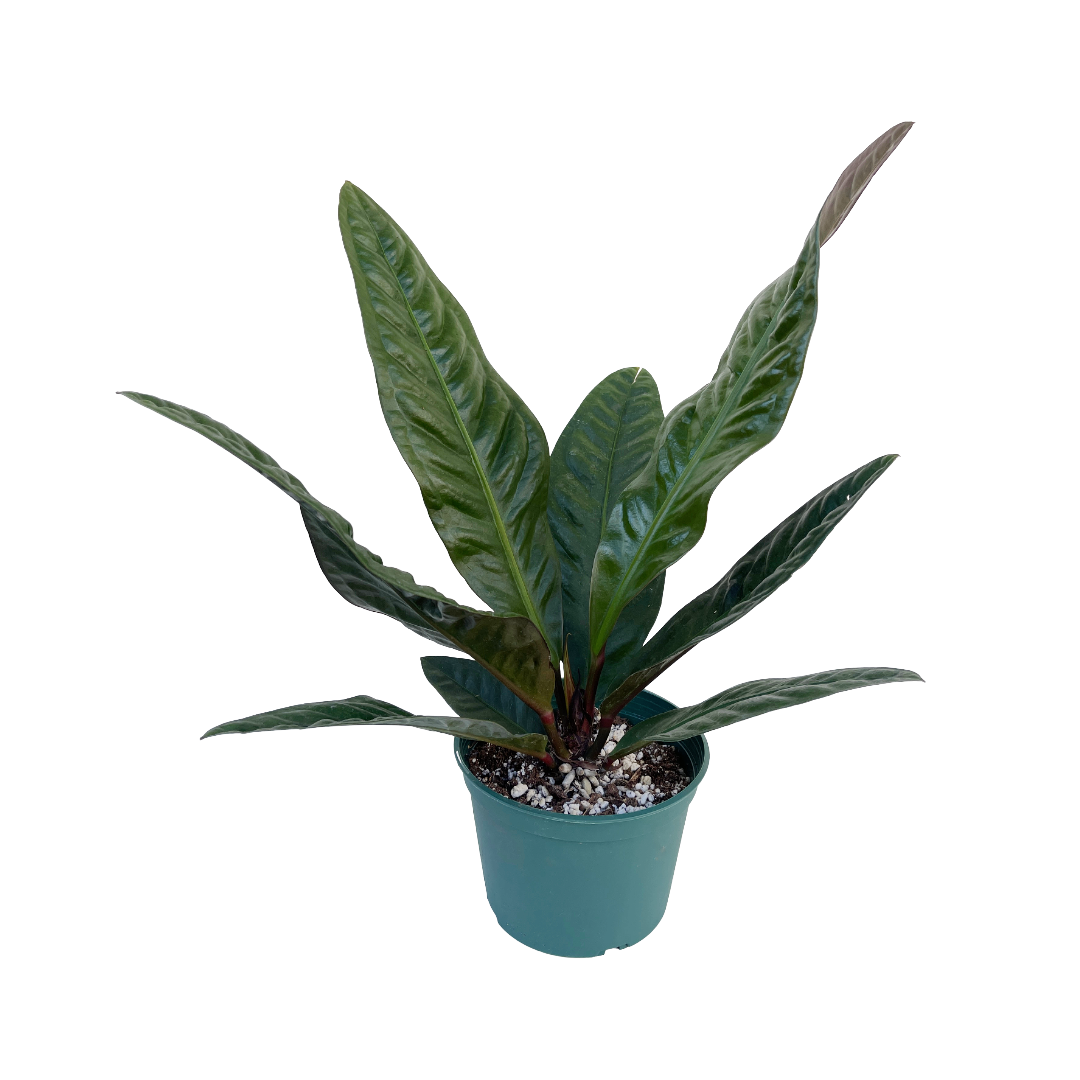
The Anthurium superbum, or Bird's Nest Anthurium, is a striking tropical plant native to Ecuador, celebrated for its large, textured, bird's nest-shaped leaves that grow upright. It thrives in bright, indirect light and requires consistently moist soil with high humidity, making it ideal for bathrooms or kitchens. While it demands intermediate care and is not pet-friendly, its unique foliage offers a rewarding, exotic addition to any indoor plant collection for enthusiasts seeking a distinctive statement piece.
$30.00
More Anthurium Options
Owner Satisfaction
4.6
/ 5
Category Rank
3530
/ 9214
#3530 in Potted Houseplants
Price vs Category Average
-42%
Below average
Scientific Name
Anthurium superbum
/ Anthurium superbum
Who it's for
- Plant enthusiasts seeking rare, visually striking botanical specimens
- Home decorators desiring a refined, statement-making natural element
- Individuals valuing enduring, non-seasonal botanical aesthetics in their space
Who should skip it
- Novice plant parents or those without controlled indoor conditions
- Budget-conscious buyers or casual plant collectors seeking affordability
- Growers expecting rapid development and quick visual impact from plants
Performance breakdown
Visual Impact
Textured, bird's nest foliage creates an unmatched architectural statement piece.
Care Complexity
Demanding humidity and moisture requirements suit experienced indoor gardeners best.
Propagation Potential
Simple division makes expanding your collection straightforward for dedicated enthusiasts.
Environmental Adaptability
Strict humidity and light needs limit placement to specific home zones.
Growth Consistency
Moderate, upright development provides predictable structure for long-term display.
Household Safety
Toxic foliage necessitates careful placement away from curious pets and children.
Key Specs
Scientific Name
Anthurium superbum
Common Names
Bird's Nest Anthurium
Native Region
Ecuador and other parts of Central and South America
Pet Friendly
No
Light
Bright Indirect Light
Water
Keep soil consistently moist but not waterlogged
Humidity
High
Care Level
Intermediate
Features
- Unique Bird's Nest Shaped Foliage
- Native to Tropical Rainforests
- Upright Growth Habit
- Requires High Humidity
- Prefers Bright Indirect Light
- Easy to Propagate by Division
What customers say
Customers consistently praise the exceptional quality of this plant, noting its robust health and vibrant foliage upon arrival. Many reviewers highlight the striking, unique aesthetic, appreciating its distinctive leaf structure as a standout addition to their collection. The careful packaging is frequently mentioned, ensuring the plant reaches its new home in pristine condition. This attention to detail significantly enhances the overall positive experience, reinforcing its premium appeal. Enthusiasts find the plant lives up to its name, delivering on both visual impact and vitality.
Know before you buy
This plant prefers bright, indirect light. Avoid placing it in direct sunlight, which can scorch its textured leaves, or in low-light corners where its growth will slow significantly.
No, this plant is not pet-friendly. It is best kept in a location that is inaccessible to cats, dogs, or other curious animals.
The goal is to keep the soil consistently moist but never waterlogged. Check the top inch of soil regularly and water when it begins to feel slightly dry to the touch.
As a tropical native, the Anthurium superbum relies on ambient moisture to keep its foliage healthy and prevent the leaf edges from browning. Bathrooms or kitchens are excellent spots, though you can also use a humidifier or pebble tray to maintain the necessary levels.
This plant is best propagated through division. When the plant produces offsets or 'pups' at the base, you can carefully separate them during repotting and plant them in their own containers.
Yes, it thrives best in temperatures between 18-24°C (65-75°F). Try to keep it away from cold drafts, air conditioning vents, or heating units that could cause temperature fluctuations.

Still have a question?
Ask Hayley anything about this product before you decide.